
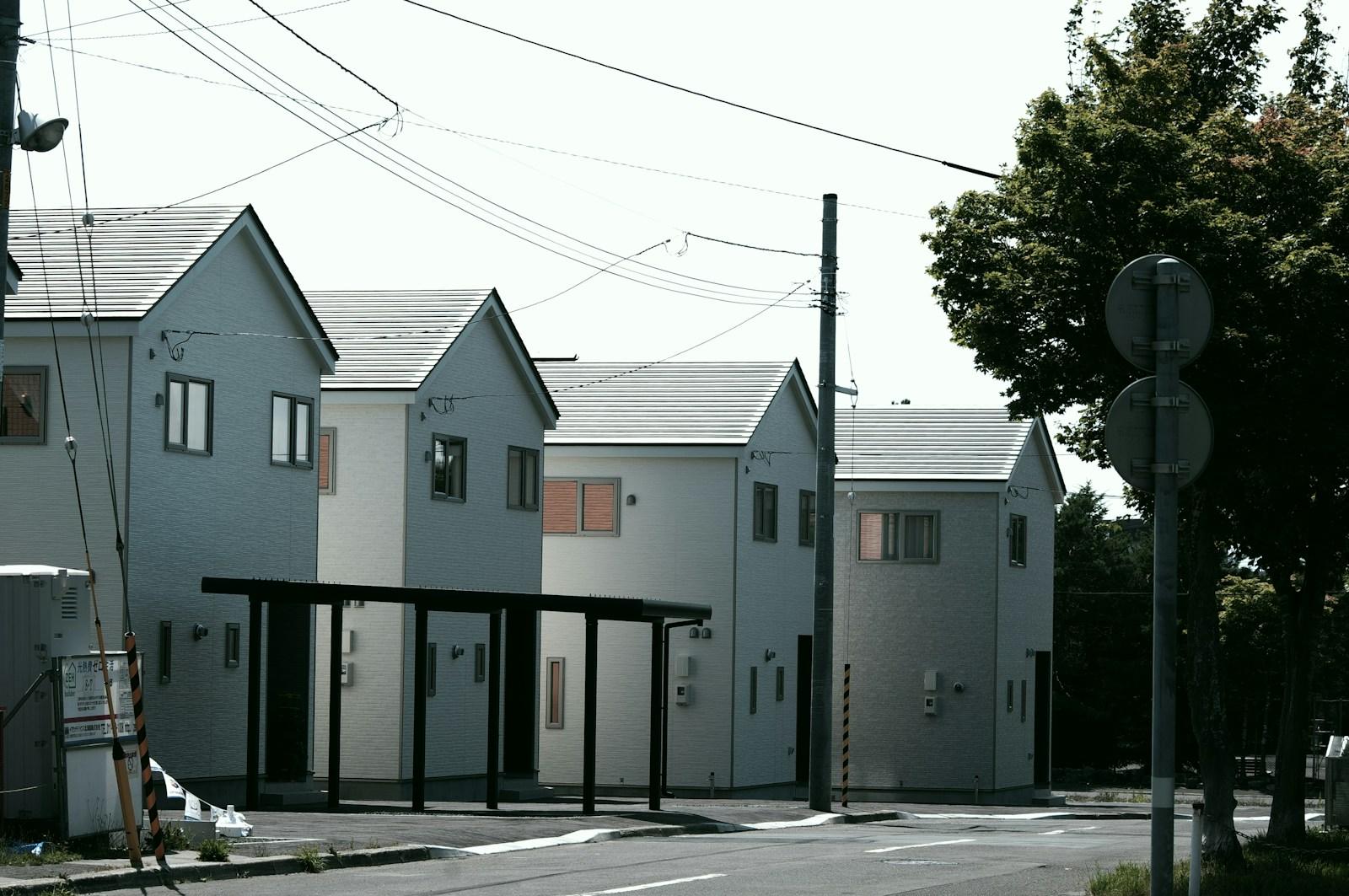
Government housing vouchers, often called Section 8 Housing Choice Vouchers, are subsidies designed to make rent affordable for low‑income households. Instead of limiting families to public housing units, vouchers allow them to choose apartments, houses, or townhomes in the private market, provided the property meets program standards. The local housing authority pays a portion of the rent directly to the landlord, while the tenant pays the rest based on income. This flexibility gives families more choice in where they live while ensuring housing remains within reach.
Eligibility and Requirements
Eligibility is the foundation of the application process. Income limits are set by the U.S. Department of Housing and Urban Development (HUD) and vary depending on location and household size. Applicants must demonstrate that their income falls below a certain threshold, often defined as a percentage of the area median income. Other factors such as family size, citizenship or eligible immigration status, and background checks are also considered. Understanding these requirements before applying helps avoid delays and ensures applicants know whether they qualify.
The Application Process
Applications are managed by local housing authorities, which means each city or county has its own system. Applicants must apply through the housing authority that serves the area where they want to live. Waiting lists are common, and some authorities open applications only during specific periods. Preparing documentation is critical. Applicants should gather proof of income, identification, household composition, and residency documents. Accuracy matters, as incomplete or incorrect information can delay processing or lead to denial. Many housing authorities now offer online applications, but paper forms remain available in some areas.
Waiting Lists and Prioritization
Because demand often exceeds available funding, waiting lists are a reality of the voucher system. Applicants may remain on a list for months or even years before receiving assistance. During this time, it is important to keep contact information updated with the housing authority. If an applicant cannot be reached when their name comes up, they may lose their place. Some housing authorities prioritize certain groups, such as seniors, people with disabilities, or families with children. This prioritization helps direct resources to those most in need but also means waiting times vary widely.
Receiving and Using a Voucher
When a voucher becomes available, the housing authority notifies the applicant and provides instructions for the next steps. This usually includes attending a briefing session where program rules are explained. Applicants learn how much assistance they will receive, what types of housing qualify, and what responsibilities they have as tenants. Finding housing with a voucher requires coordination, since not all landlords accept vouchers and the chosen unit must meet HUD’s housing quality standards. The housing authority inspects the unit before approval, ensuring it is safe, sanitary, and in good repair. Rent must also be reasonable compared to similar units in the area. Once approved, the housing authority signs a contract with the landlord, and the tenant signs a lease.
Responsibilities and Compliance
Maintaining eligibility is just as important as securing a voucher. Tenants must comply with program rules, pay their portion of rent on time, and report any changes in income or household size to the housing authority. Regular inspections may occur to ensure the unit continues to meet quality standards. Failure to comply with requirements can result in termination of assistance. Responsible participation allows families to remain in stable housing for as long as they qualify.
Building a Broader Safety Net
Housing vouchers are most effective when combined with other government programs. By reducing rent costs, families free up income for essentials such as food, healthcare, and education. Programs like SNAP, Medicaid, and childcare subsidies complement housing vouchers, creating a stronger safety net that supports overall stability.
Applying for government housing vouchers may seem complex, but when explained simply, the process follows a clear path: understand eligibility, apply through the local housing authority, prepare documentation, wait for availability, attend program briefings, find qualifying housing, and maintain compliance. Each step requires patience and organization, but the reward is access to affordable housing that supports long‑term stability. Government housing vouchers remain one of the most effective tools for reducing housing insecurity in 2026. By learning how to apply and how to use them responsibly, families can strengthen their financial safety nets and build a more secure future.
Leave a Reply