

When families need food assistance, three types of programs show up in nearly every search. Food banks, food pantries, and meal programs all fight hunger, but they do it in different ways. Most people use the terms interchangeably, which leads to confusion about where to go and what to expect.
Understanding the differences helps you find the right resource faster. Each serves a different function and a different need.
How Food Banks Operate
Food banks are large-scale warehouses that collect, sort, and distribute food to a network of smaller organizations. They do not serve individuals directly. Instead, they supply food to pantries, shelters, soup kitchens, and other feeding programs in their service area. Feeding America coordinates 200 food banks that collectively supply 60,000 community partners.
Food banks source their inventory from grocery stores, farms, food manufacturers, government commodity programs, and community food drives. They handle logistics, quality control, and distribution to ensure that food reaches communities that need it most. If you are looking for food assistance, a food bank directs you to a local pantry or meal program rather than giving you food directly.
Taking action on how food banks operate requires persistence and attention to detail. Many applicants give up after encountering their first obstacle, but the families and individuals who succeed are the ones who follow through on every step and maintain communication with program administrators.
What Food Pantries Provide
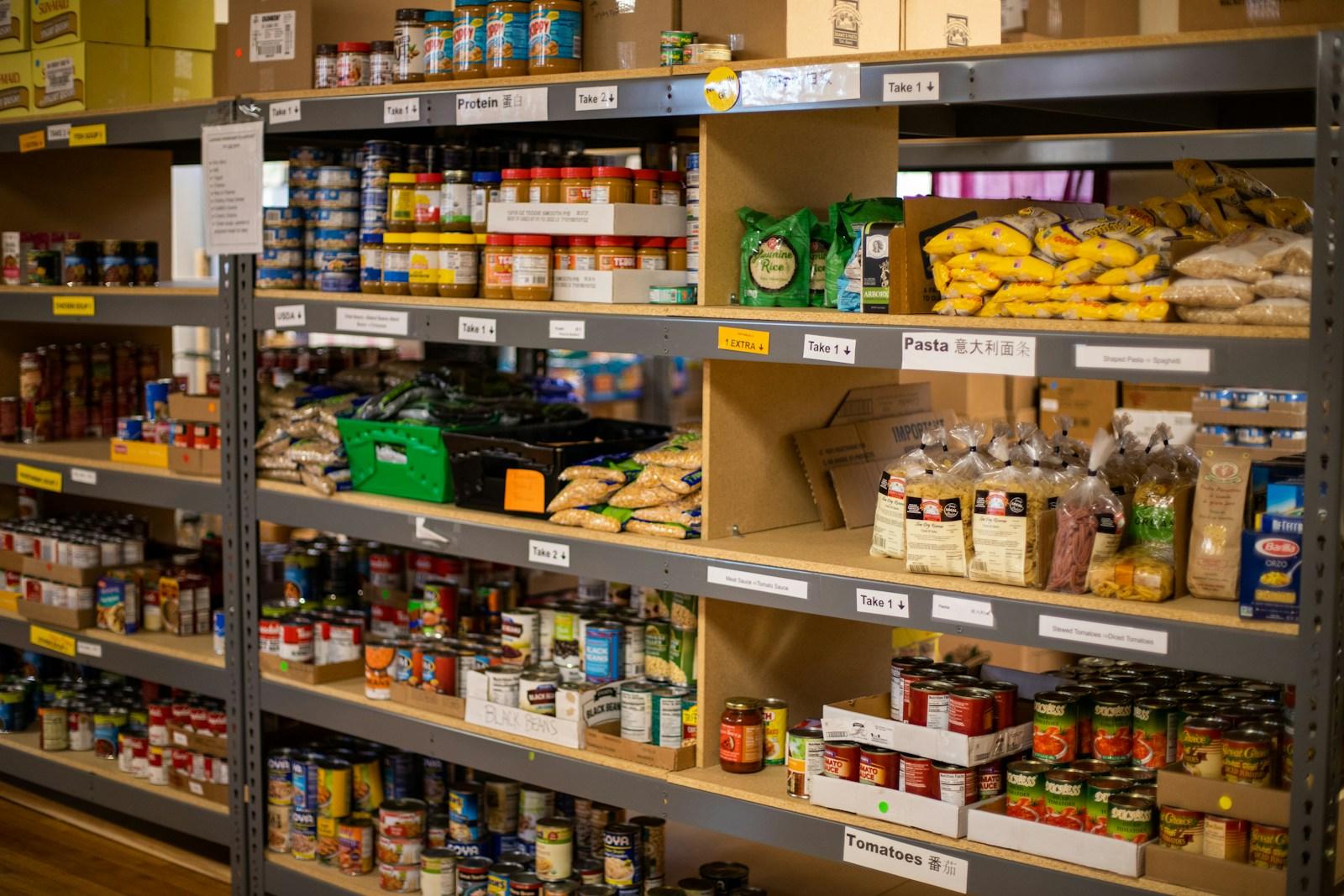
Food pantries are the places where individuals and families pick up groceries. They are typically operated by churches, community organizations, or nonprofit agencies. You visit the pantry during its open hours, and you receive a bag or box of groceries to take home and prepare yourself. Most pantries serve clients once or twice per month.
Requirements vary by pantry. Some ask for identification and proof of address. Others serve anyone who shows up without asking for documentation. Many pantries operate on specific days and hours, so calling ahead or checking their schedule is important. The food selection depends on what the pantry has received from its food bank and community donors.
Taking action on what food pantries provide requires persistence and attention to detail. Many applicants give up after encountering their first obstacle, but the families and individuals who succeed are the ones who follow through on every step and maintain communication with program administrators.
Meal Programs and Community Kitchens
Meal programs serve prepared meals that you eat on-site or take to go. Soup kitchens, community cafes, and shelter meal services fall into this category. These programs serve anyone who is hungry, typically without eligibility requirements or documentation. Many operate daily, providing a reliable source of hot meals for people who need them.
School meal programs serve breakfast and lunch to children from low-income families. Senior meal programs through the Older Americans Act provide congregate meals at community centers and home-delivered meals to homebound seniors. These specialized meal programs target specific populations and often serve as connection points for additional social services.
Taking action on meal programs and community kitchens requires persistence and attention to detail. Many applicants give up after encountering their first obstacle, but the families and individuals who succeed are the ones who follow through on every step and maintain communication with program administrators.
Finding the Right Resource for Your Needs
If you need groceries to cook at home, a food pantry is your best option. Search Feeding America’s food bank locator at feedingamerica.org to find pantries near you. If you need a meal right now and do not have cooking facilities, a meal program or soup kitchen serves that purpose. Calling 211 gives you the most current list of both options in your area.
Many families use food pantries and SNAP benefits together. SNAP provides monthly purchasing power for grocery stores, while pantries supplement with additional food items. There is no rule against using both, and benefits counselors encourage families to take advantage of every resource available to ensure adequate nutrition.
Taking action on finding the right resource for your needs requires persistence and attention to detail. Many applicants give up after encountering their first obstacle, but the families and individuals who succeed are the ones who follow through on every step and maintain communication with program administrators.
Food banks, pantries, and meal programs work together to fight hunger in your community, so contact your local Feeding America food bank or call 211 to find the right resource for your family situation.

Leave a Reply