

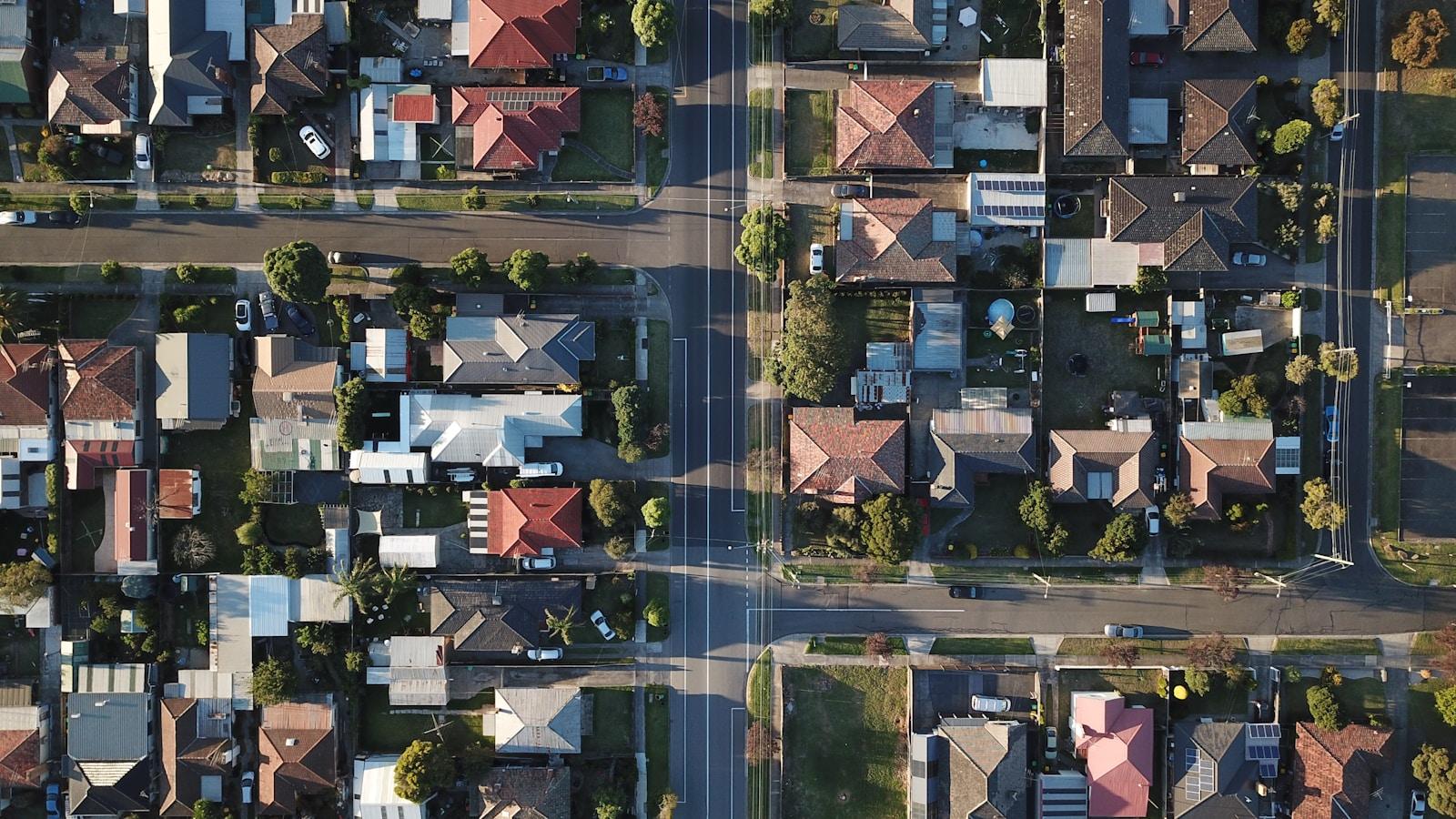
Getting help with housing costs is not something to feel uneasy about. Millions of Americans rely on government programs and nonprofit organizations to keep a roof over their heads. This guide walks you through the major housing grant and assistance programs available right now, so you know where to look and how to get started.
Housing grants differ from loans in one important way. You do not have to pay them back. The federal government, state agencies, and private organizations offer grants to help people buy homes, pay rent, make repairs, and avoid homelessness. The tricky part is knowing which programs exist and whether you qualify.
The U.S. Department of Housing and Urban Development, known as HUD, is the largest source of housing aid in the country. Federal rental assistance programs serve about 5 million low-income households across the United States (source: https://www.hud.gov/sites/dfiles/Main/documents/HUDPrograms2025.pdf). That number includes people in public housing, Section 8 vouchers, and project-based rental assistance. HUD distributes money to local housing agencies, and those agencies work directly with residents.
One of the most popular programs is the Housing Choice Voucher Program, often called Section 8. It lets families rent private-market apartments at a reduced cost. The government pays a portion of the rent directly to the landlord. Eligibility depends on income, family size, and local area limits. Waitlists are common, so applying early matters.
State and Local Programs Worth Exploring
First-time homebuyers have their own set of options. Down payment assistance programs exist in nearly every state, and many of them are structured as grants rather than loans. These programs typically cover three to five percent of the purchase price. That money goes toward your down payment or closing costs, and you never have to repay it. State housing finance agencies manage most of these programs, so checking your state agency website is the right first step.
If you already own a home and need repairs, HUD offers the Title I Property Improvement Loan program. The USDA provides the Section 504 Home Repair program for rural homeowners age 62 and older. Grants through the USDA program top out at $10,000 and are meant for removing health and safety hazards.
Special Programs for Veterans
Veterans have access to specialized housing grants through the Department of Veterans Affairs. The Specially Adapted Housing Grant helps veterans with service-connected disabilities modify their homes. These grants range from roughly $22,000 to over $109,000 depending on the disability and the type of modification needed.
Renters facing an immediate crisis should look into Emergency Solutions Grants. These federal funds flow through local nonprofits and community action agencies. They cover short-term rent payments, security deposits, and utility arrears. Calling 211 connects you with a local operator who knows which agencies in your area are distributing these funds right now.
State and Local Programs Worth Exploring
Families with children, seniors, and people with disabilities receive priority in many housing programs. That is by design. The goal is to reach the people with the greatest need first. About 8.5 million very low-income renter households had worst case housing needs in 2023, near record levels (source: https://www.huduser.gov/portal/publications/Worst-Case-Housing-Needs-2025-Report-to-Congress.html). That statistic shows how deep the need runs and why these programs matter.
To get started, visit HUD’s website at hud.gov and use their resource locator. You should gather your income documents, identification, and proof of household size before applying. Most programs require these basics. The process takes time, so starting early gives you the best chance. This guide connects to every housing topic on GrantSpeak, so bookmark it and come back as you move through your search for help.
State and Local Programs Worth Exploring
Housing assistance programs continue to evolve each year. The Department of Agriculture runs rural housing programs that serve communities with populations under 50,000. These include direct home loans, guaranteed home loans, and home repair grants. Rural residents often overlook these programs because they assume federal housing aid is only for urban areas.
State housing finance agencies are another essential resource. Each state operates its own agency that manages down payment assistance, mortgage revenue bond programs, and affordable housing tax credits. These agencies maintain websites with current program details, eligibility calculators, and lender directories.
The National Low Income Housing Coalition reports that no state has an adequate supply of affordable housing for extremely low-income renters. Waitlists are long, but that should not discourage you from applying. Getting on the list is the first step, and many programs move faster than expected once your name reaches the top. Early applicants receive priority in most systems.
Homeownership counseling is available at no cost through HUD-certified agencies. These counselors help you understand your options, prepare applications, and avoid scams. They work independently from lenders and have no financial incentive to push you toward a particular product.
Staying organized throughout the housing assistance process prevents setbacks. Create a dedicated folder for housing documents and keep every piece of communication from agencies, landlords, and lenders. Note the dates of every phone call and the name of every representative you speak with. This paper trail protects you if questions arise later.
Understanding your rights as a tenant or a homeowner strengthens your position in every interaction. Fair housing laws protect you from discrimination based on race, color, religion, national origin, sex, familial status, and disability. If you believe you have been discriminated against, file a complaint with HUD or your state fair housing agency.

Leave a Reply