

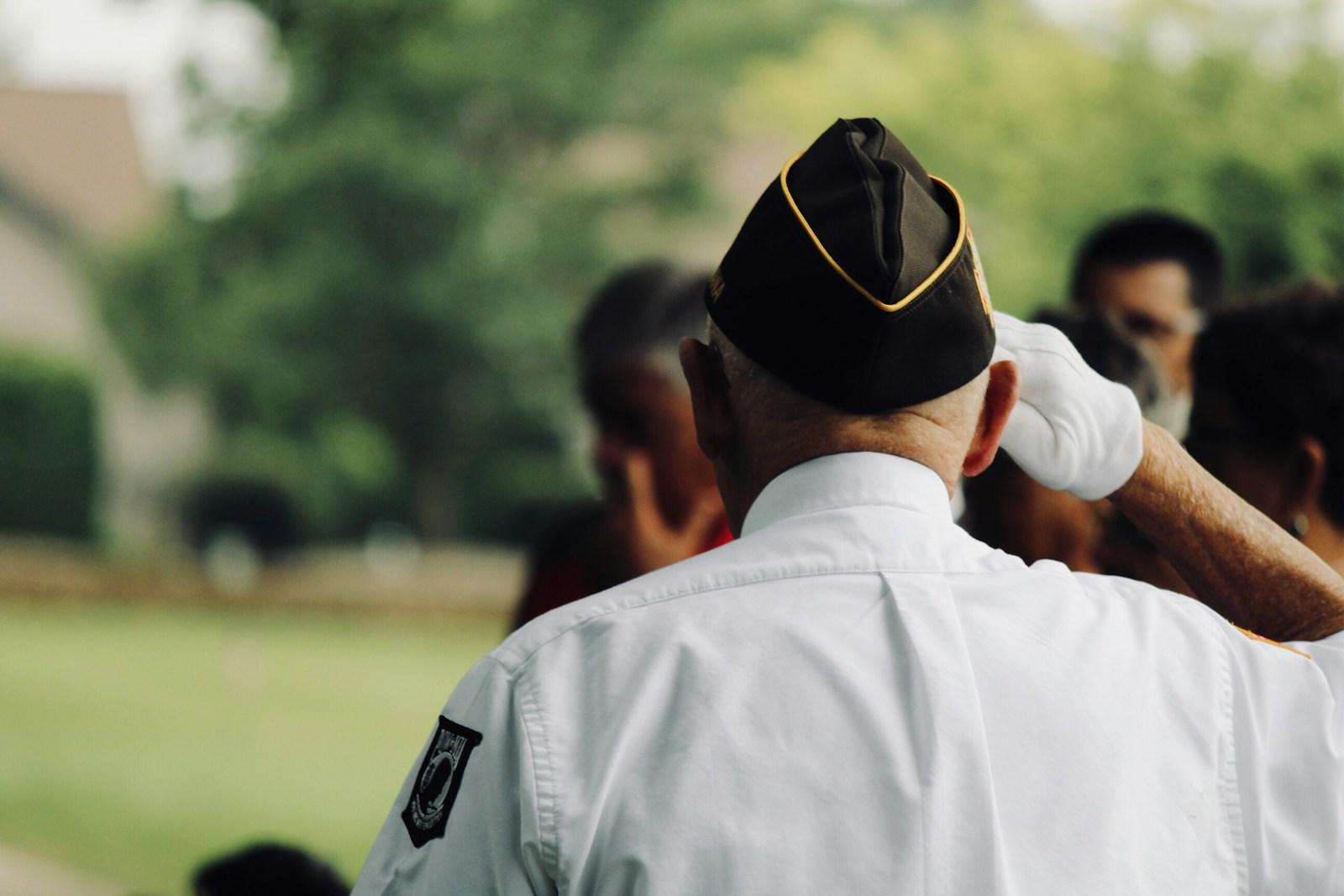
Veterans dedicate years of service to the nation, often sacrificing personal comfort and safety. After completing military service, many face challenges transitioning back into civilian life. Housing, education, and financial stability are among the most pressing needs. The U.S. government and nonprofit organizations provide a wide range of benefits designed to support veterans in these areas. Understanding what programs exist, who qualifies, and how to apply is essential for veterans and their families seeking assistance.
Housing Benefits for Veterans
Stable housing is one of the most important foundations for civilian life. Veterans have access to several programs that make homeownership and rental assistance more affordable.
- VA Home Loans: The Department of Veterans Affairs offers guaranteed home loans that require no down payment and feature competitive interest rates. These loans are available to veterans, active duty service members, and certain surviving spouses. VA loans also limit closing costs and do not require private mortgage insurance, making them more affordable than traditional loans.
- Specially Adapted Housing Grants: Veterans with service-connected disabilities may qualify for grants to build or modify homes to meet accessibility needs. These grants help cover costs for ramps, widened doorways, and other modifications that promote independence.
- HUD-VASH Program: The Department of Housing and Urban Development partners with the VA to provide housing vouchers and supportive services for homeless veterans. This program combines rental assistance with case management, helping veterans secure stable housing while addressing underlying challenges.
- State and Local Housing Programs: Many states offer additional housing benefits, including property tax exemptions, rental assistance, and emergency housing support. Veterans should check with local housing authorities to identify available programs.
Housing benefits ensure that veterans can secure safe, affordable homes and avoid homelessness.
Education Benefits for Veterans
Education is a powerful tool for career advancement, and veterans have access to several programs that make higher education more affordable.
- Post-9/11 GI Bill: This program provides tuition and fees for veterans who served after September 11, 2001. Benefits include coverage for tuition, housing allowances, and stipends for books and supplies. Veterans can also transfer unused benefits to spouses or children.
- Montgomery GI Bill: Veterans who contributed to the program during active duty may receive monthly education benefits to cover tuition and training costs.
- Yellow Ribbon Program: This initiative helps cover tuition costs at private schools or out-of-state institutions that exceed GI Bill limits. Participating schools and the VA share the additional expenses, reducing financial burdens for veterans.
- Vocational Rehabilitation and Employment (VR&E): Veterans with service-connected disabilities may qualify for counseling, training, and education support to prepare for suitable careers.
- State Education Benefits: Many states offer tuition waivers or scholarships for veterans and their families. These programs vary but often include free tuition at public universities or reduced costs for vocational training.
Education benefits empower veterans to pursue degrees, certifications, and training that open doors to new careers.
Financial Aid and Support Programs
Financial stability is critical for veterans transitioning to civilian life. Several programs provide direct financial aid or support services.
- VA Disability Compensation: Veterans with service-connected disabilities receive monthly tax-free payments. The amount depends on the severity of the disability and family circumstances.
- VA Pension Programs: Low-income veterans who served during wartime may qualify for pension benefits. These payments help cover basic living expenses.
- Survivor Benefits: Dependents of deceased veterans may receive financial support through Dependency and Indemnity Compensation (DIC) or Survivor Pension programs.
- Emergency Financial Assistance: Nonprofit organizations such as the American Legion and Veterans of Foreign Wars provide grants or loans to veterans facing sudden financial crises.
- Employment Assistance: Programs such as the Veterans Employment Center and state workforce agencies connect veterans with job opportunities, training, and financial counseling.
Financial aid programs ensure that veterans and their families can meet basic needs while building long-term stability.
How to Apply for Veterans’ Benefits
Applying for benefits requires preparation and organization. Veterans should begin by identifying the programs that match their needs. Official sources such as VA.gov provide detailed information and application forms.
Documentation is critical. Applicants must provide proof of service, discharge papers (DD Form 214), medical records, and financial information. Incomplete or inaccurate documentation can delay approval. Veterans should keep copies of all forms and track deadlines carefully.
Many programs require interviews or assessments. Caseworkers use these meetings to verify eligibility and connect veterans with additional resources. Attending interviews promptly and providing honest information strengthens applications.
Common Mistakes to Avoid
Several mistakes frequently delay or prevent approval.
- Submitting incomplete documentation is one of the most common errors. Missing discharge papers or medical records can cause rejection.
- Misunderstanding eligibility requirements wastes time and reduces chances of success. Veterans should review criteria carefully before applying.
- Waiting too long to apply reduces the likelihood of receiving benefits, especially when funds are limited.
- Ignoring communication from agencies can result in missed opportunities. Veterans should check email, phone messages, and online portals regularly.
Avoiding these mistakes ensures smoother processing and faster access to benefits.
Why Veterans’ Benefits Matter
Veterans’ benefits provide more than financial support. They honor service, promote independence, and strengthen communities. Housing programs prevent homelessness, education benefits open doors to new careers, and financial aid ensures stability.
According to the U.S. Department of Veterans Affairs, over 1.5 million veterans used education benefits in 2023, highlighting the importance of these programs. This statistic shows that benefits are not rare or unattainable. With persistence and preparation, veterans can access resources that transform their lives.
Building Long-Term Stability
Accessing benefits is often the first step toward stability. Veterans should use these opportunities to create budgets, pursue education, and plan for future expenses. Many programs include supportive services such as financial counseling or job training. Engaging with these services helps veterans move beyond immediate crises and build resilience.
Veterans’ benefits in housing, education, and financial aid provide critical support during the transition to civilian life. VA home loans, GI Bill programs, disability compensation, and nonprofit assistance all contribute to stability. Applying requires preparation, documentation, and persistence, but the rewards are significant.
These benefits are not just about financial assistance. They are about dignity, opportunity, and recognition of service. Veterans who access these programs can secure housing, pursue education, and build stronger futures for themselves and their families.

Leave a Reply