

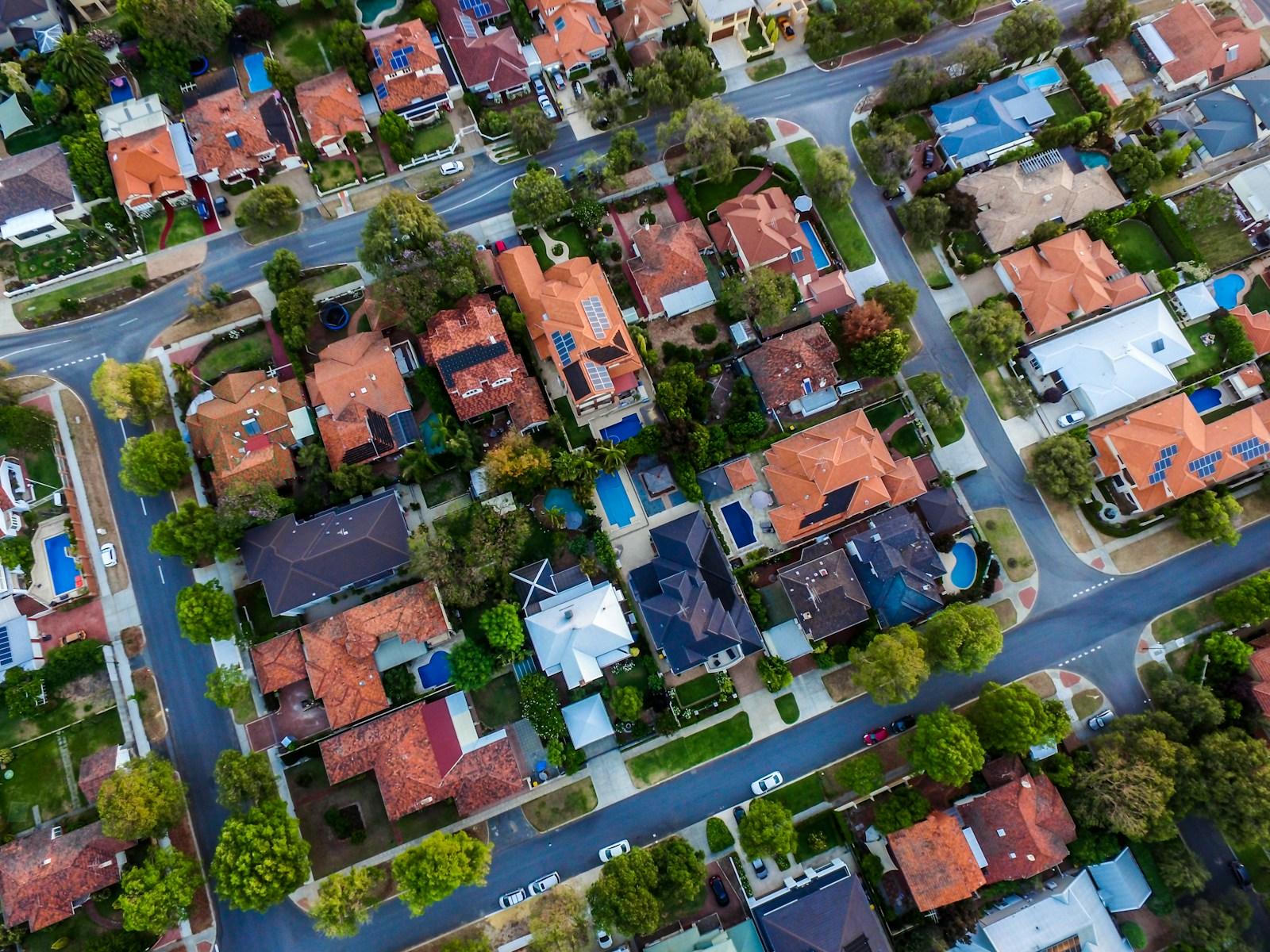
Affordable housing programs in the United States are designed to help low-income families, seniors, and individuals with disabilities secure safe and stable homes. Two of the most widely known programs are Section 8 and Public Housing. Both aim to reduce housing costs for vulnerable populations, yet they operate differently and serve households in distinct ways. Understanding the differences between these programs helps families choose the option that best fits their needs and ensures that applicants approach the process with clarity.
What Section 8 Is
Section 8, officially known as the Housing Choice Voucher Program, provides rental assistance that allows families to live in privately owned housing. The program is funded by the federal government and administered locally through public housing authorities. Families receive vouchers that cover a portion of rent, while tenants pay the remainder based on income.
The flexibility of Section 8 is one of its strongest features. Families can choose where to live, provided the landlord accepts vouchers and the unit meets program standards. This allows participants to move into neighborhoods with better schools, safer environments, or closer access to employment opportunities. Section 8 empowers families to make choices rather than limiting them to specific housing units.
What Public Housing Is
Public Housing consists of rental units owned and managed by local housing authorities. These properties are funded by the federal government but operated at the local level. Families pay rent based on income, usually around 30 percent of household earnings. Public Housing developments vary in size and type, ranging from apartment complexes to single-family homes.
Unlike Section 8, Public Housing requires families to live in designated units. Tenants cannot choose private landlords or neighborhoods outside the program’s properties. While this limits flexibility, Public Housing provides stability by offering long-term affordable housing directly managed by housing authorities.
Key Differences Between Section 8 and Public Housing
Ownership and Management
Section 8 relies on privately owned housing, while Public Housing consists of government-owned properties. This difference affects the availability of units and the level of choice families have. Section 8 participants can rent from private landlords, while Public Housing tenants live in properties managed by housing authorities.
Flexibility
Section 8 offers greater flexibility. Families can move to different neighborhoods, provided landlords accept vouchers. Public Housing restricts tenants to specific units within government-owned developments.
Application Process
Both programs require applications through local housing authorities, but the process differs slightly. Section 8 applicants must find landlords willing to accept vouchers after approval, while Public Housing applicants are placed directly into available units. Waiting lists are common for both programs due to high demand.
Rent Payments
Rent under Section 8 is split between the tenant and the voucher. Tenants pay a portion based on income, while the voucher covers the rest. Public Housing tenants pay rent directly to housing authorities, usually set at 30 percent of household income.
Neighborhood Choice
Section 8 allows families to move into neighborhoods with better schools, safer environments, or closer access to jobs. Public Housing tenants are limited to the location of government-owned properties, which may not always provide the same opportunities.
Maintenance and Standards
Public Housing units are maintained by housing authorities, ensuring consistent standards. Section 8 units must meet program requirements, but maintenance depends on private landlords. Families may need to advocate for repairs more actively under Section 8.
Advantages of Section 8
Section 8 provides flexibility, allowing families to choose housing that fits their needs. It enables access to neighborhoods with better opportunities and reduces concentration of poverty. Families can move if circumstances change, making the program adaptable.
Another advantage is the ability to rent different types of housing, including apartments, single-family homes, or townhouses. This variety allows families to find units that match their preferences and household size.
Advantages of Public Housing
Public Housing provides stability. Families are placed directly into affordable units managed by housing authorities. Rent is predictable, and tenants do not need to negotiate with private landlords. Public Housing developments often include community services such as childcare centers, job training programs, or health clinics.
For families who prefer long-term housing without the need to search for landlords, Public Housing offers security and consistency.
Challenges of Section 8
Section 8 participants often face challenges finding landlords who accept vouchers. Some landlords hesitate due to administrative requirements or misconceptions about the program. Families may also encounter discrimination when searching for housing.
Another challenge is the limited availability of vouchers. Waiting lists are long, and many families wait years before receiving assistance.
Challenges of Public Housing
Public Housing developments sometimes face issues such as overcrowding, aging infrastructure, or limited resources for maintenance. Families may also experience restrictions in neighborhood choice, limiting access to better schools or employment opportunities.
Demand for Public Housing is high, and waiting lists are common. Families may wait months or years before being placed into units.
How to Apply
Applications for both programs are submitted through local housing authorities. Families must provide documentation such as income statements, identification, and proof of residency. Eligibility is based on income, household size, and citizenship status.
Applicants should contact local housing authorities directly to learn about waiting lists and application procedures. Staying organized and submitting complete documentation increases the chances of approval.
Understanding the Difference Matters
Choosing between Section 8 and Public Housing depends on family needs. Section 8 offers flexibility and choice, while Public Housing provides stability and direct placement. Families who value neighborhood options may prefer Section 8, while those seeking long-term security may choose Public Housing.
According to the U.S. Department of Housing and Urban Development, over 4.5 million households received housing assistance in 2023, showing the scale of these programs. Understanding the differences ensures that families apply for the program that best fits their circumstances.
Section 8 and Public Housing both provide critical support for families facing housing insecurity. Section 8 empowers families with choice and flexibility, while Public Housing offers stability and direct management. Each program has advantages and challenges, but both serve the same purpose: ensuring that vulnerable households have access to safe and affordable homes.
Families who understand the differences can make informed decisions, apply effectively, and build stronger futures. Housing assistance is not just about shelter. It is about opportunity, dignity, and resilience.

Leave a Reply